Crowd science · Astronomers Without Borders
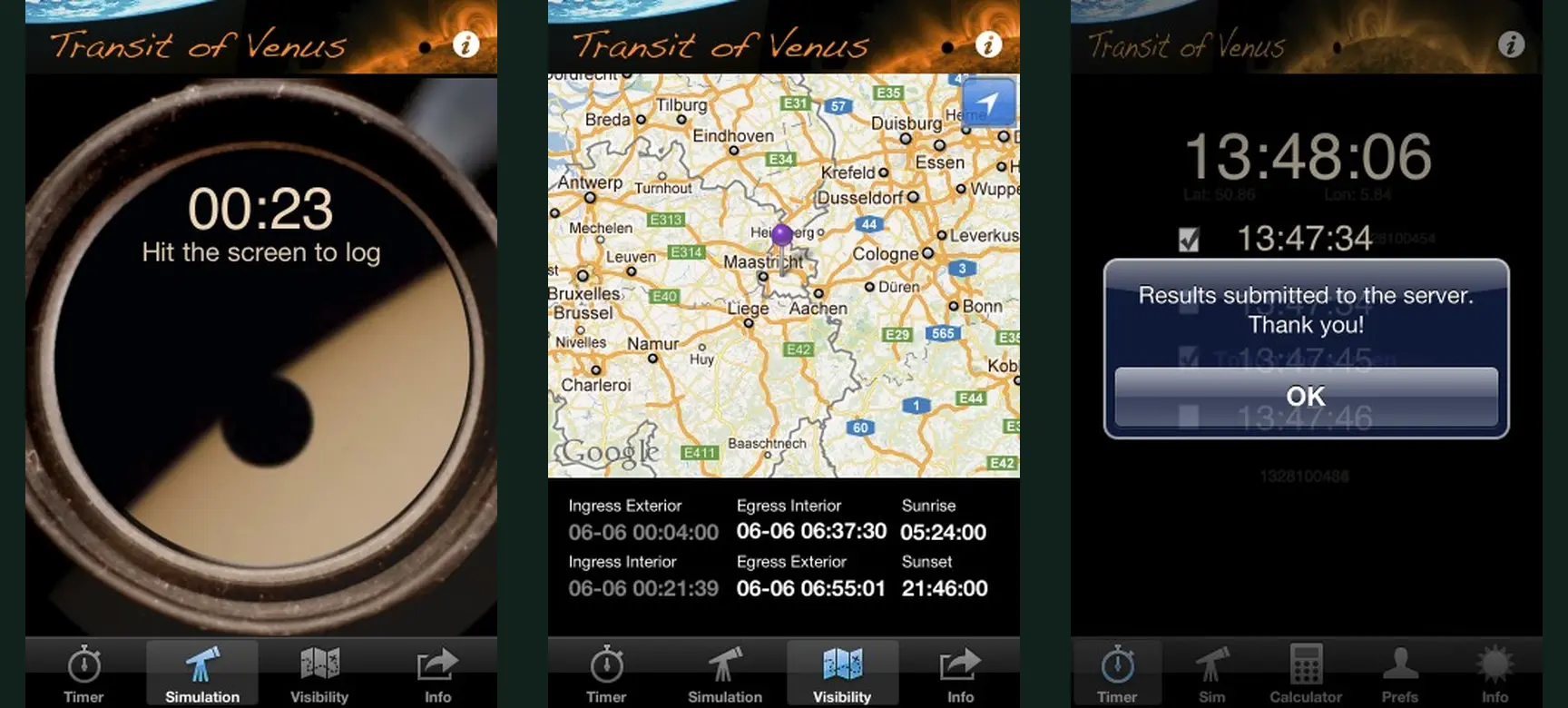
Transit of Venus
Could a worldwide crowd repeat the historic astronomical-unit method? The app let people rehearse the timing before joining the experiment.
Science is always involved. The format ranges from mass public participation to professional sensing, data infrastructure, outreach and long-term support.
These do not look or behave like one app in different colours. A worldwide timing experiment, a phone-based aerosol instrument, a night-sky meter, guided water observations and live astronomical classification each needed its own participant experience. The common thread is creative simplicity over serious science—and a credible route to enough contributions to matter.
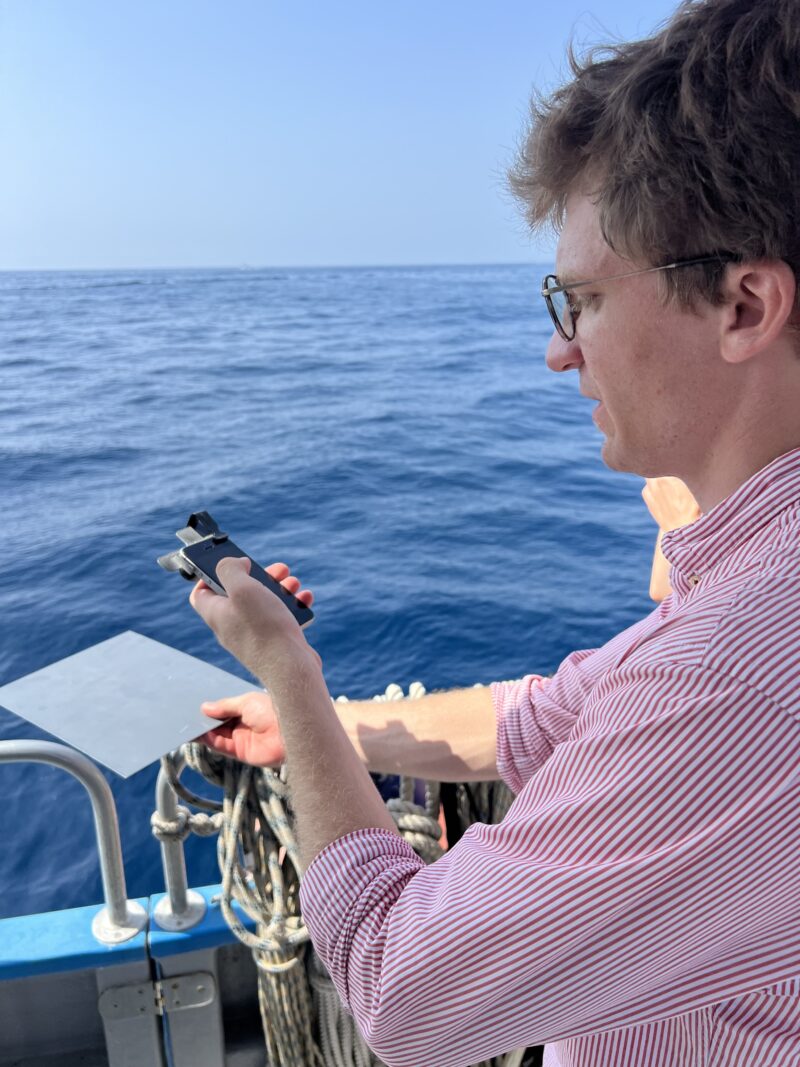
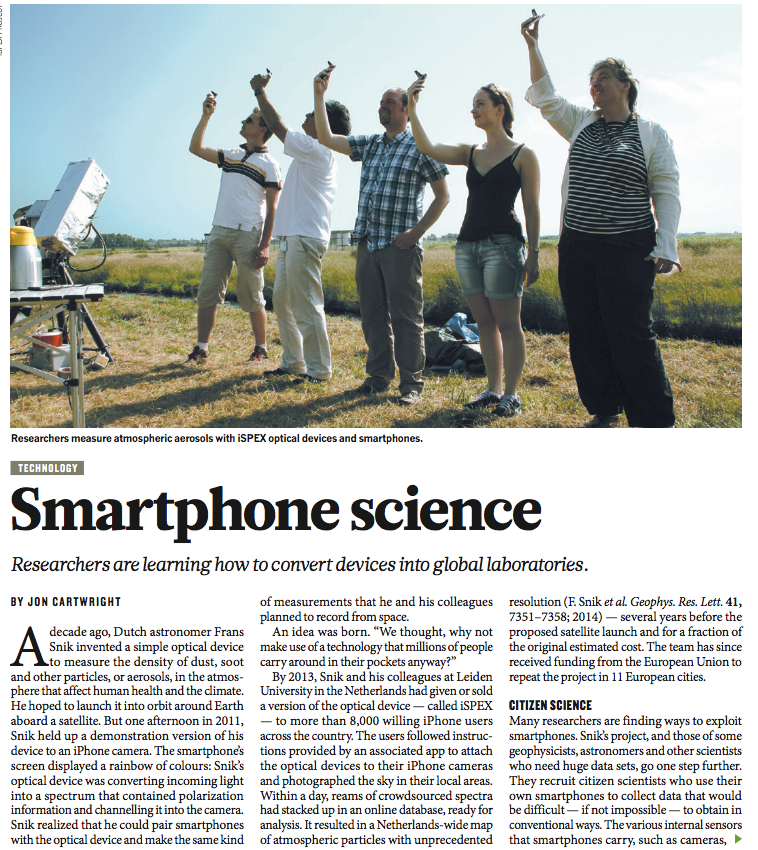
iSPEX1 was built for Leiden University and enabled a nationwide citizen aerosol map. PML later successfully derived above-water Rrs with iSPEX2; Pocket Science now also preserves the complete public OSF research archive.
Read the case study →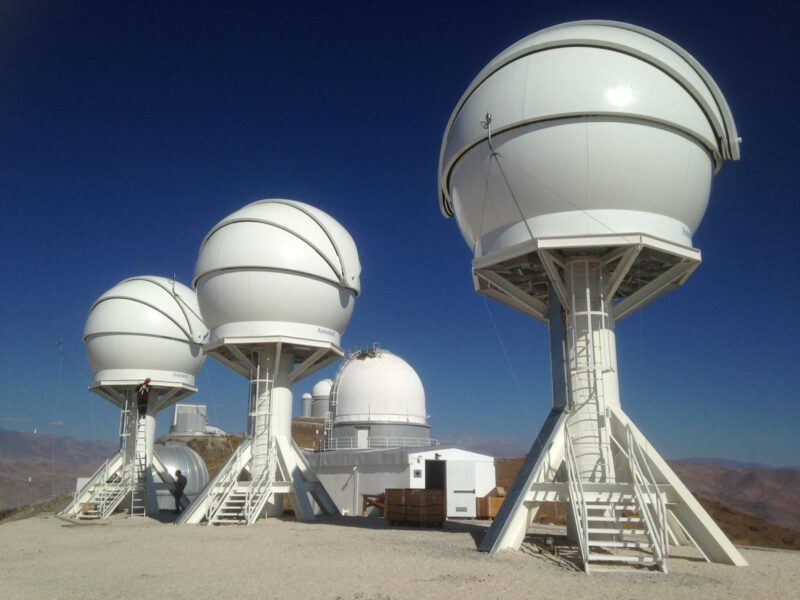
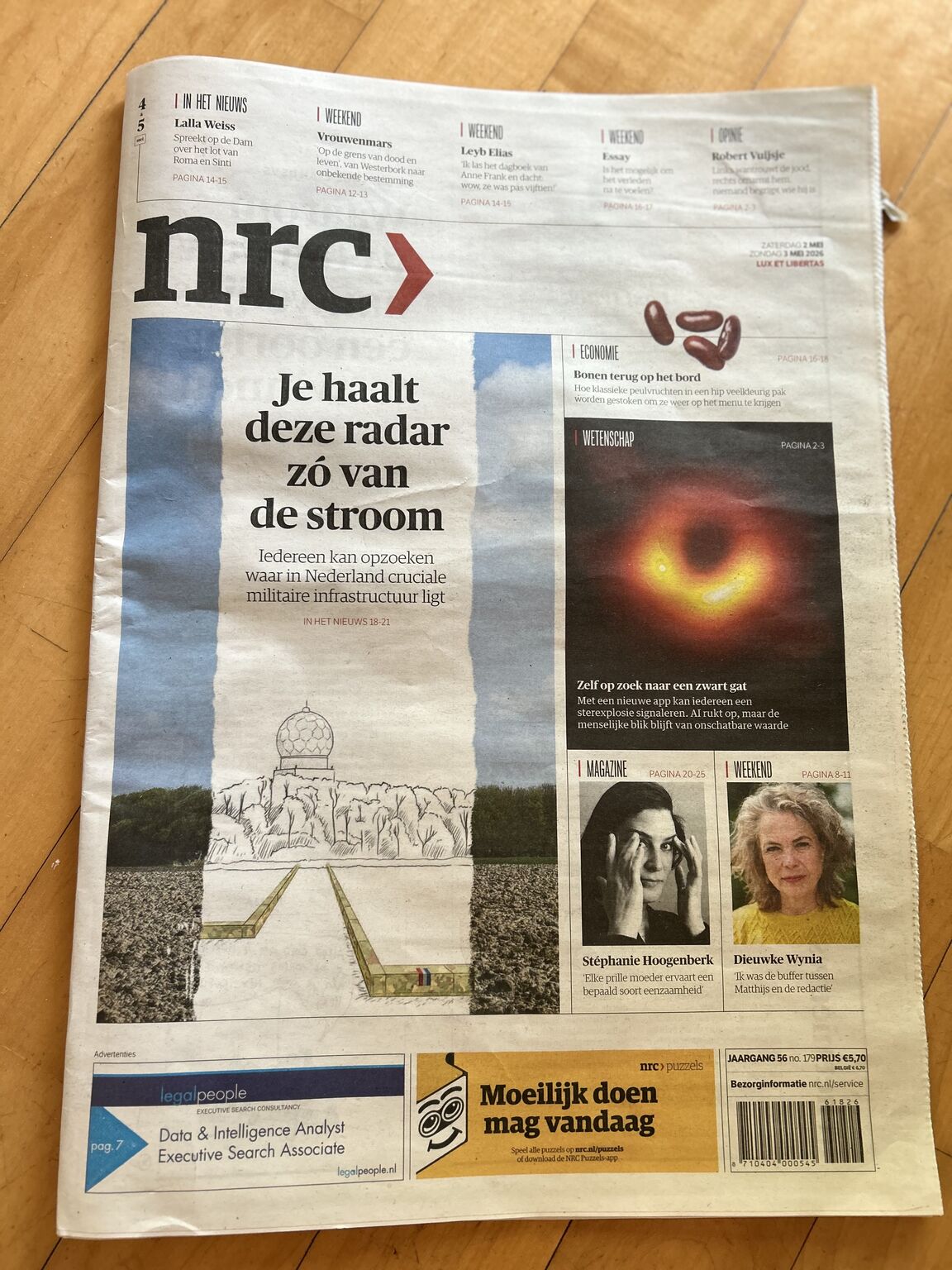
Public classification, researcher workflows and machine-learning support around live astronomical candidates. A SciStarter Top Ten project in 2024 and NRC front-page story in 2026.
Read the case study →
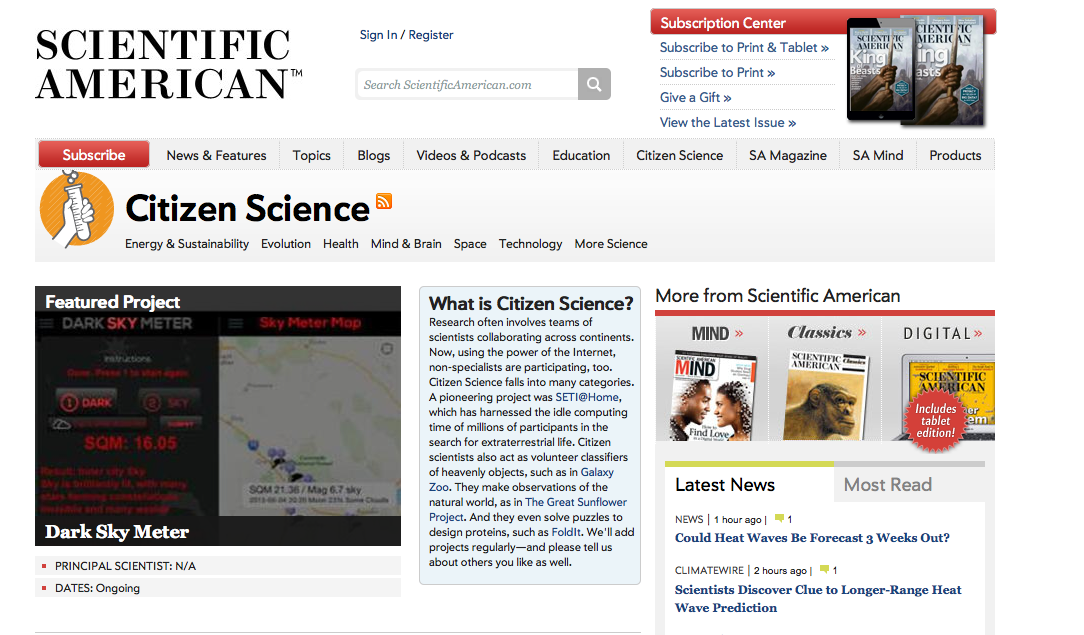
Dark Sky Meter and Pro for iPhone, plus continued development of Loss of the Night for Android. Phone-camera sensing, device calibration and support keep this project useful.
Read the case study →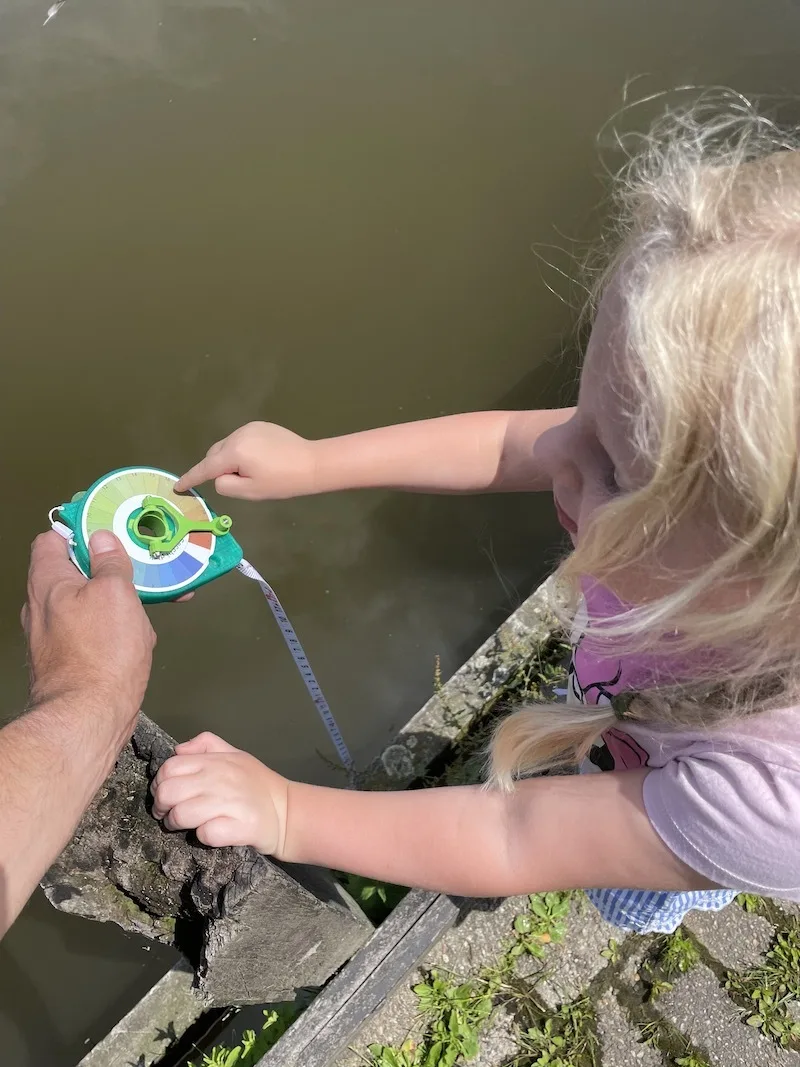
A physical water-colour and clarity method with a multi-paper evidence base and a new software rebuild with the University of Exeter and the US SOCON collaboration.
Read the case study →Some were worldwide campaigns, some were research infrastructure, some were focused public apps and some were early experiments. Together they show the range behind today’s offer.
Could a worldwide crowd repeat the historic astronomical-unit method? The app let people rehearse the timing before joining the experiment.
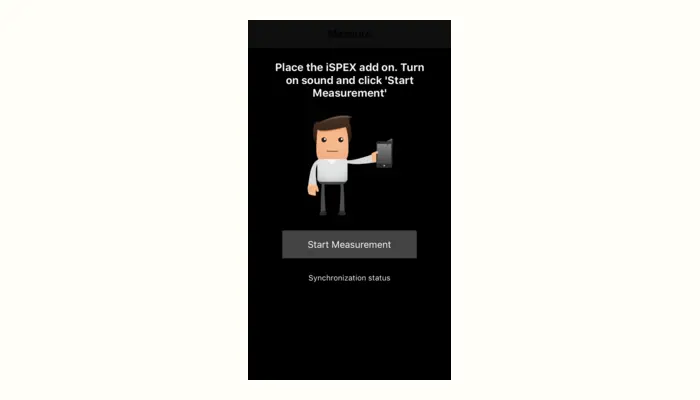
iSPEX1 followed polar researcher Berenice Nooteboom into the Arctic, bringing smartphone measurement into an extraordinary field campaign.
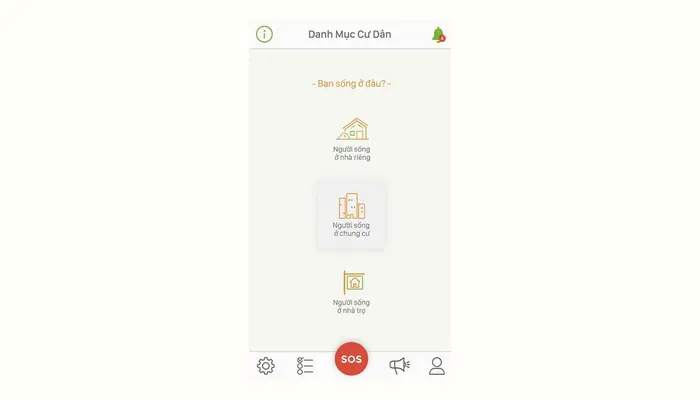
A public-engagement app that made participation visible through personal action, progress and an inviting mobile experience.
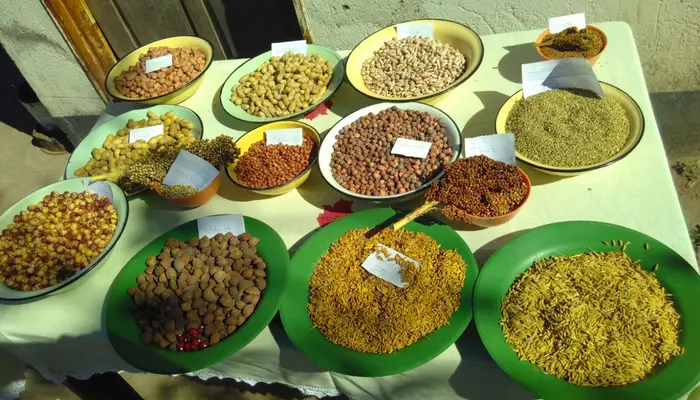
Farmers in Zimbabwe and Uganda could explore and record crop and food diversity through a practical field application.
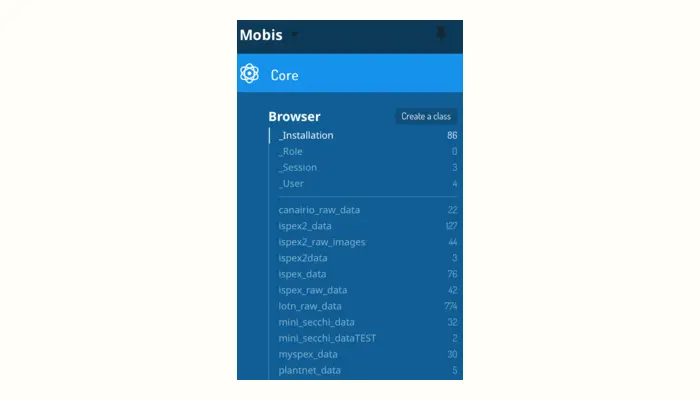
A reusable observatory platform for apps, offline fieldwork, sensors and research services. EGI identifies DDQ: Pocket Science as the MOBIS provider in its COS4CLOUD case study.
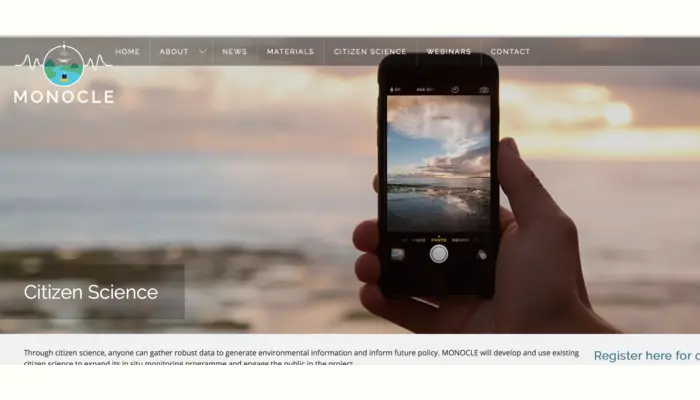
International water observation connected field campaigns, participant apps, portable instruments and research data across one programme.
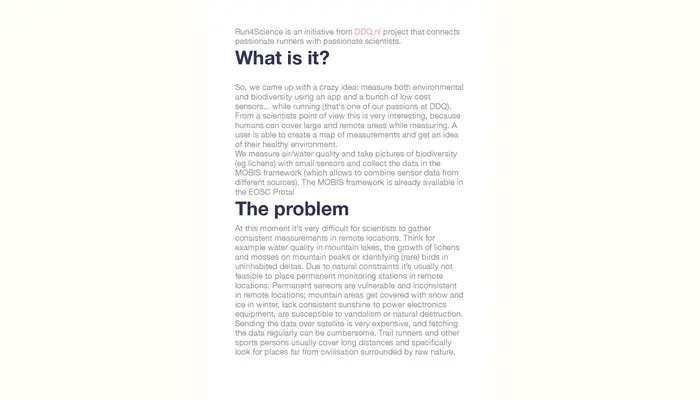
Runners became moving research participants, carrying environmental sensors while their smartphones connected activity, place and observations.
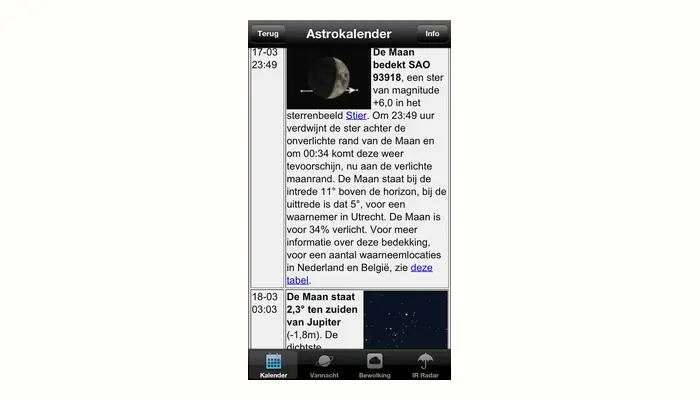
Astronomy information designed for the phone in your pocket, helping a broad Dutch audience understand what was visible overhead.
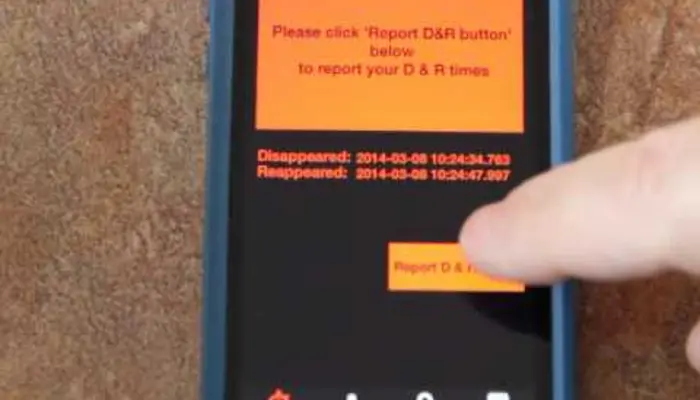
Observers at different locations timed one disappearing star; together, their measurements could reveal the shape of a near-Earth object.
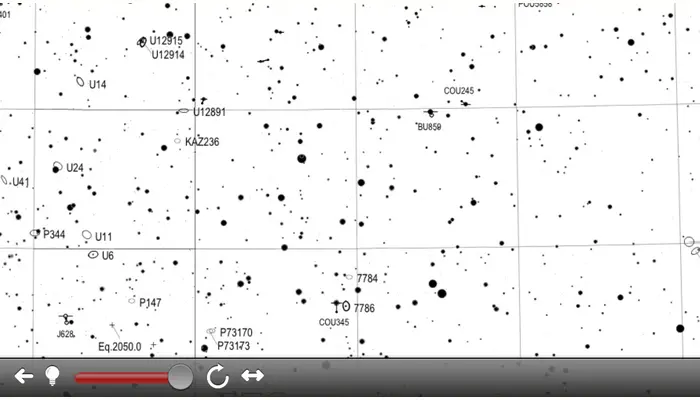
Detailed astronomical charts became an interactive mobile reference that observers could carry into the field.
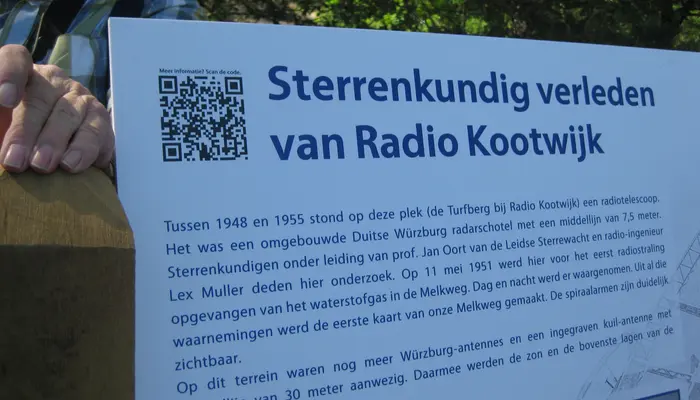
A location-based digital layer brought the history of Dutch radio astronomy to life at the monument itself.
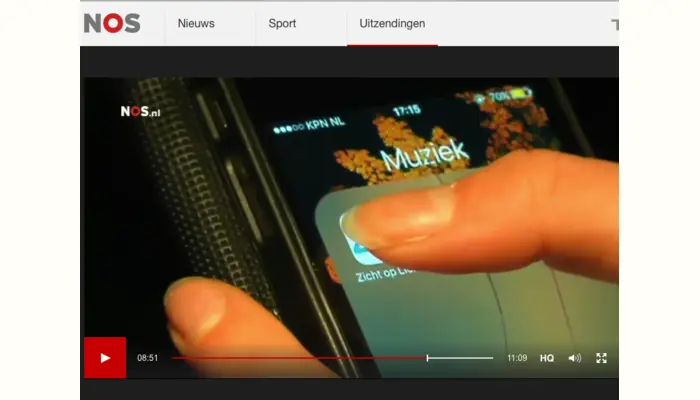
Citizens investigated artificial light with university researchers—and the experiment reached a national news audience.
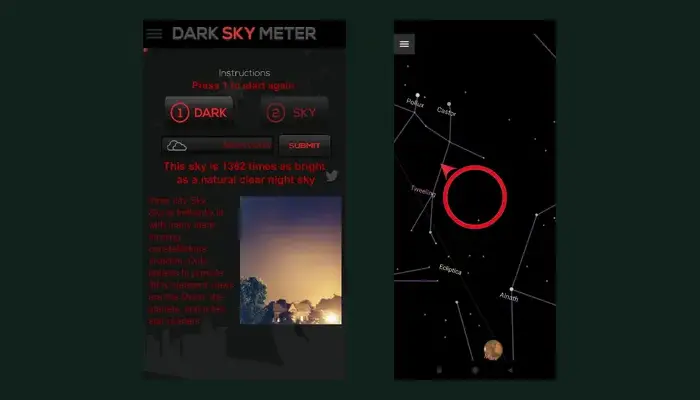
When Leiden switched off its lights, residents used Pocket Science apps and a shared map to record how the night sky changed.
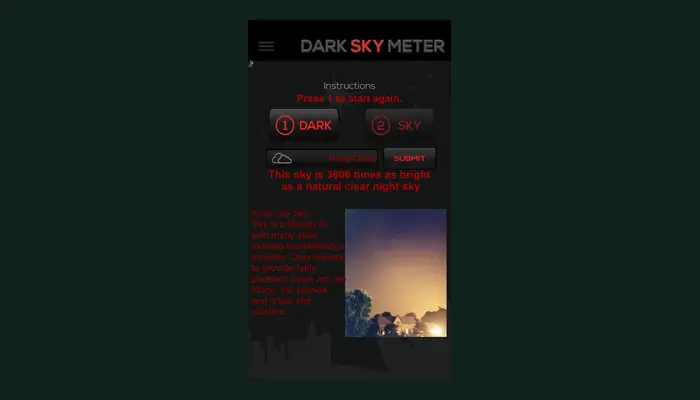
An IAU-sponsored public edition put smartphone light-pollution measurement within reach of a worldwide astronomy audience.
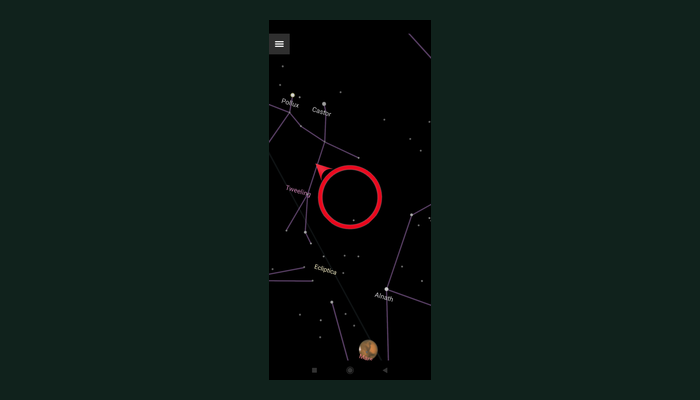
Guided naked-eye observations turn visible stars into light-pollution data. Pocket Science took over and continues development from IGB.
The history matters because today’s offer grew from real launches, field campaigns, scientific problems and years of operation.
The first Pocket Science app was a crowd-science experiment: could a worldwide crowd repeat the historic astronomical-unit method? The design made an unfamiliar timing task understandable and participatory.
Phone-camera calibration, public light-pollution measurement, worldwide outreach and long-term product support.
Built for Leiden University and developed onward by Pocket Science: a phone and optical attachment gave citizens a way to contribute to a national aerosol map with local detail beyond the satellite comparison where measurements were dense.
iSPEX2, Mini Secchi and international field campaigns expanded the work into water observation and above-water radiometry.
MOBIS became one of the first citizen-science apps in the European Open Science Cloud catalogue. Run4Science was developed with COS4CLOUD to connect mobile participation and environmental sensors.
Black Hole Finder and the Dark Sky Meter suite remain active; Mini Secchi entered a newly contracted rebuild and improvement phase. Black Hole Finder also shows how public participation, experienced users, machine learning and researchers can contribute to one living observatory.
Selected archival proof from international and national coverage. These are evidence of public reach, not decoration.
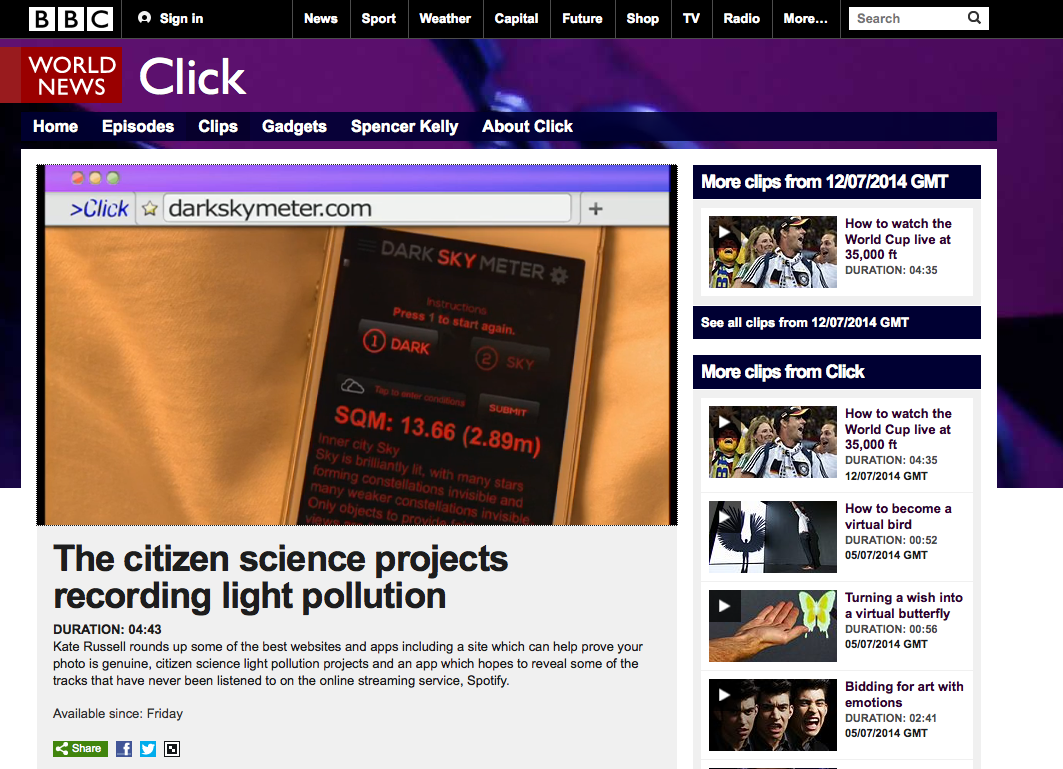
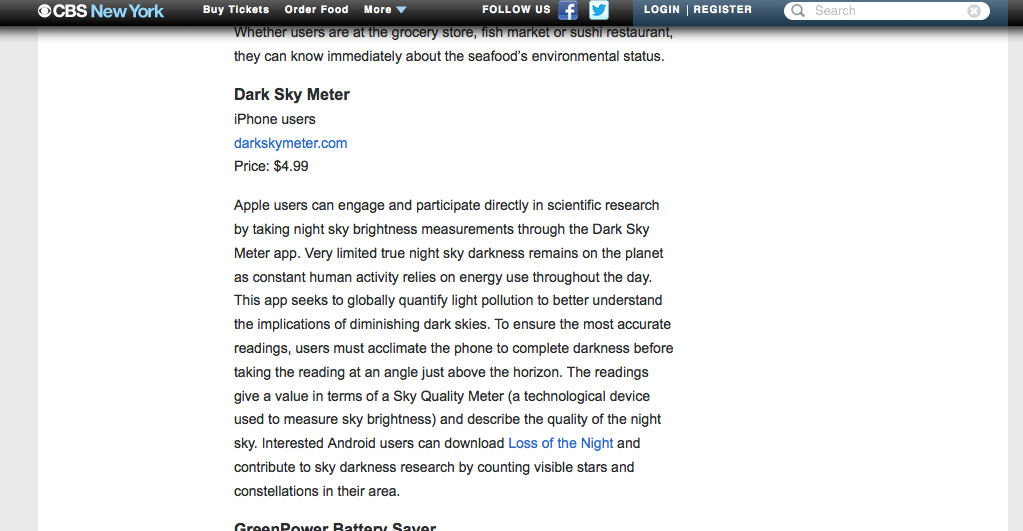
Research projects end. Apps still need updates, participants still need answers and data still carries value. Pocket Science has often continued where funded projects stopped.
That commitment also taught us a hard lesson: continuity cannot rest on unlimited unpaid work. Ownership, maintenance, support and the route beyond funding now belong in the project design from the start.
Discuss a project